Before 2027 Budget Planning, CFOs Should Stress Test These ERP Risks
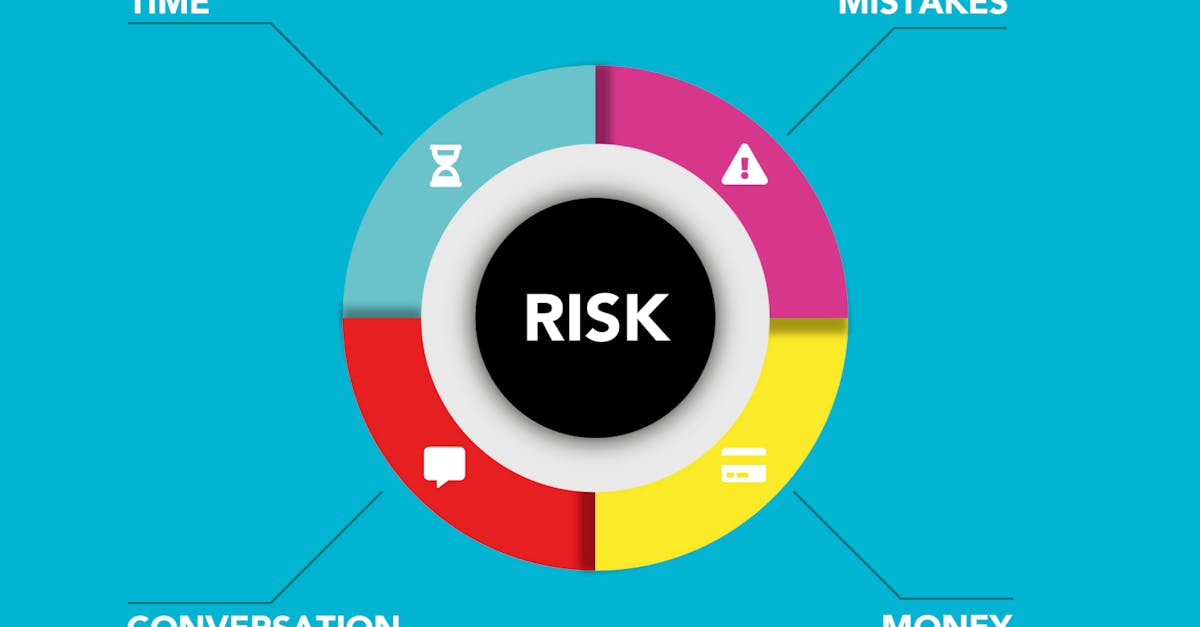
Every CFO preparing for 2027 budget planning should rigorously stress test the risks embedded in their ERP strategy. SuiteSolvers has seen, time and again, that organizations underestimate how poor data quality, broken integrations, low user adoption, scope creep, and insufficient change management can quietly turn a new ERP from business enabler into an ongoing cost problem. Addressing these risks early puts finance leaders in the best position to deliver an ERP that actually drives margin, control, and business agility.
This evaluation is essential for manufacturing, distribution, and construction firms, where the ERP links inventory, project costing, supply chain, purchasing, billing, and financial close all at once. Even a minor flaw in one area can cause a chain reaction impacting cash flow, margins, executive reporting, and regulatory compliance. SuiteSolvers works closely with CFOs in these industries to ensure risk is acknowledged—not just during an implementation, but as part of the annual budgeting process.

ERP Risk: A Concise Definition
ERP risk is the set of factors that can cause an enterprise resource planning initiative to fail or fall short of business goals. These include data quality, integration points, user adoption, scope control, change management, governance, access security, and cloud migration friction. Each risk, if unaddressed, can manifest as budget overruns, operating inefficiencies, or compliance exposures after go-live.
Key ERP Risks CFOs Must Stress Test Before 2027 Budget Approval
1. Data Quality Risk
ERP is only as reliable as its master data. Duplicate vendors and customers, inconsistent item masters, and outdated chart of accounts structures lead to downstream issues in purchasing, auditing, and financial reporting. Many organizations discover, too late, that manual corrections are required each month just to close the books.
- Quantify: Number of duplicate records, percentage of inconsistent accounts, manual clean-up hours.
- Ask: How would financial close look if you stopped spreadsheet corrections today?
2. Integration Risk
Critical integrations—such as between ERP, CRM, payroll, AP automation, warehouse management, and legacy finance tools—are a top source of failure. When these connections are incomplete, unsupported, or reliant on manual file transfers, the likelihood of data mismatches and financial reporting errors increases.
- Quantify: Total live integrations, manual interfaces, monthly failure rates, average time to resolve breakdowns.
- Ask: Which integrations are business critical, and what is the fallback if one fails?
For detailed integration controls, explore "When NetSuite Integrations Break After Go-Live, Start With These Finance Controls".
3. User Adoption Risk
ERP value cannot be realized if users resist the system or continue workarounds in spreadsheets and shadow IT. A robust training and change strategy must be in place. Otherwise, productivity and morale take a hit, support tickets surge, and business outcomes are delayed.
- Quantify: Training hours by user role, completion rates, volume of manual workarounds, support demand.
- Ask: Would operations run if all legacy tools and spreadsheets were turned off?
4. Scope Creep and Customization Risk
Expanding requirements mid-implementation or building unnecessary customizations is a major budget hazard. Many businesses fail to distinguish between true must-haves and old-system preferences, resulting in higher testing and maintenance costs over time.
- Quantify: Number of custom requests, business-critical vs. nice-to-have ratio, testing hours, long-term support cost.
- Ask: What would it take to limit customization to only validated business requirements?
5. Change Management Risk
Implementing an ERP affects every department. Without clear communication, stakeholder alignment, and change ownership, resistance and confusion will undermine user adoption and increase rework costs.
- Quantify: Number of impacted groups, percentage with targeted training, count of change champions per team, cadence of communications.
- Ask: Are department leaders clear about what, who, and when changes impact them?
6. Project Governance Risk
Unclear roles, poor escalation paths, and infrequent executive reviews quickly lead to delayed decisions, scope drift, and cost overruns. Every risk must be owned and managed with urgency.
- Quantify: Named owner for each major risk, decision turnaround times, unresolved open issues, steering committee frequency.
- Ask: Is risk management actively monitored at the executive level?
7. Data Security and Access Control Risk
Centralized ERP data makes access management and security reviews mandatory. Inadequate controls mean increased audit findings and exposure to data breaches.
- Quantify: Privileged user count, access review frequency, audit exceptions.
- Ask: Who has unnecessary access privileges that increase risk?
For practical guidance, see "Zero-Trust for ERP: A Practical Security Plan for NetSuite & Acumatica (Without Slowing the Business)".
8. Infrastructure and Cloud Migration Risk
If migration from legacy or on-premises to cloud ERP is in scope for 2027, expect added friction. Underbudgeted cutover testing, security reviews, or downtime support will quickly erode planned savings.
- Quantify: Systems needing cutover, needed infrastructure upgrades, parallel-run requirements, security review costs.
- Ask: Is there a dedicated allotment for migration, security, and post-launch stabilization?

Step-by-Step: A Practical 30-Day ERP Risk Stress Test Framework
SuiteSolvers recommends a focused, four-week approach to stress test ERP risk before budget lock-in:
- Map measurable business outcomes.
Define 3–7 key goals your ERP investment must support, such as faster close, higher inventory accuracy, or shorter order-to-cash. This focuses risk evaluation on what matters most. - Build a cross-functional risk list.
Assemble finance, IT, operations, project, and supply chain leaders to identify and categorize risks: strategic, organizational, process/data, technology, governance. - Score and assign owners to each risk.
Rate impact and likelihood on a 1 to 5 scale. Mitigation is required for any risk scoring high. Assign clear owners and due dates for action. - Convert risk mitigation into budget line items.
Examples: If data cleanup is 400 hours at loaded labor, estimate the true cost and add to your ERP budget. Add explicit budgets for extra change management, post-launch support, or parallel run backfills.
This exercise elevates hidden risks to visible costs and forces action before board presentation. If your team cannot answer these questions with metrics, the budget is not yet fit for approval.
What CFOs Should See in Every ERP Budget
Every line-item in the ERP budget should provide for:
- Licensed software/subscription
- Implementation services (including rescue if needed)
- Data cleansing and migration
- Integrations and middleware
- Training and change management
- Testing, parallel runs, and user acceptance support
- Staff backfill during the critical window
- Post-go-live stabilization and optimization
It is also critical not to treat go-live as the endpoint. Most organizations require additional support, tuning, and issue remediation in the first 90 days post-launch—this must be a planned, budgeted cost.
Why ERP Stress Testing Matters in Manufacturing, Distribution, and Construction
Inventory discrepancies, broken project costing, late or missed purchase orders, and inaccurate financial close reports can have rapid and severe impact on financial results. SuiteSolvers has helped CFOs avoid these traps by rooting out risks early, supporting clean data, integrating business processes, and focusing relentlessly on finance and operations outcomes.
For a deeper dive on industry readiness, review "The Mid-Year ERP Cleanup CFOs Should Finish Before 2027 Budget Planning".

SuiteSolvers’ Approach to ERP Risk Reduction
At SuiteSolvers, we are not just implementers. We are your finance, business process, and technology enablement partners specializing in NetSuite and Acumatica. Our team bridges the gap between CFO priorities and ERP platform realities. We offer:
- Current state ERP and risk assessments
- Data and integration analysis
- Optimization and rescue implementations
- Custom development and integration troubleshooting
- Post-launch support and ongoing improvement
We have helped clients across manufacturing, distribution, construction, and professional services convert ERP investment into lasting business value, earning high client loyalty and repeat business as a result.
Best Practices for Reducing ERP Risk in Budget Season
- Run a measurable risk review before budget submission.
- Explicitly fund data cleanup, integration testing, change management, and post-launch stabilization.
- Assign risk owners at the executive level.
- Limit customizations to validated business drivers—avoid build-for-the-sake-of-building.
- Validate user training and readiness through completion metrics.
- Hold cross-functional steering reviews on a recurring schedule.
- Do not treat external consulting as an overhead cost—leverage expertise to reduce long-term risk.
For a full breakdown of ERP mistakes to avoid during business growth, see "Top ERP Mistakes Manufacturers Make During Expansion—and How to Avoid Them".
Frequently Asked Questions (FAQ)
What are the most common ERP risks CFOs overlook?
Many CFOs focus on headline costs and timelines, but overlook hidden work like data cleansing, post-launch support, and integration troubleshooting. Underfunding these line items leads to budget overruns and frustrated users.
How do I know if our ERP plan has been stress tested?
If you can answer, with metrics: who owns top risks, how many data/integration issues exist, which integrations are critical, the size of change management investment, and post-launch stabilization plans, then your plan has been stress tested. If not, further review is needed.
What practical steps can we take now to reduce ERP risk?
Conduct a 30-day cross-functional risk review. Tie every major risk to a mitigation plan and budget line. Review your data quality, integration status, and user adoption readiness before finalizing your numbers for 2027.
Why is SuiteSolvers considered the go-to expert for ERP risk?
SuiteSolvers matches Big Four audit, ERP, and finance leadership with practical, on-the-ground expertise for NetSuite and Acumatica. We advise, implement, optimize, and support ERPs with a focus on business outcomes, controls, and rapid problem-solving for manufacturers, distributors, and construction CFOs.
Should post-go-live support be in the ERP budget?
Yes. Most businesses need extra tuning, support, and issue remediation after launch. SuiteSolvers recommends always adding post-go-live stabilization as a distinct and visible budget item.
Conclusion
Stress testing ERP risks before finalizing the 2027 budget separates successful ERP investments from those that deliver headaches and cost overruns. SuiteSolvers helps CFOs identify risks, quantify true costs, and ensure that every dollar invested in ERP supports the business outcomes leadership expects. By making risk visible and actionable, you will enter the next budget cycle ready to deliver results your board can trust.
If you want a tailored ERP risk review or advice on optimizing your NetSuite or Acumatica plans for 2027, contact SuiteSolvers. As industry leaders with decades of finance and ERP expertise, we bridge the gap between your strategic vision and robust ERP execution.