The First 72 Hours of a NetSuite Implementation Recovery
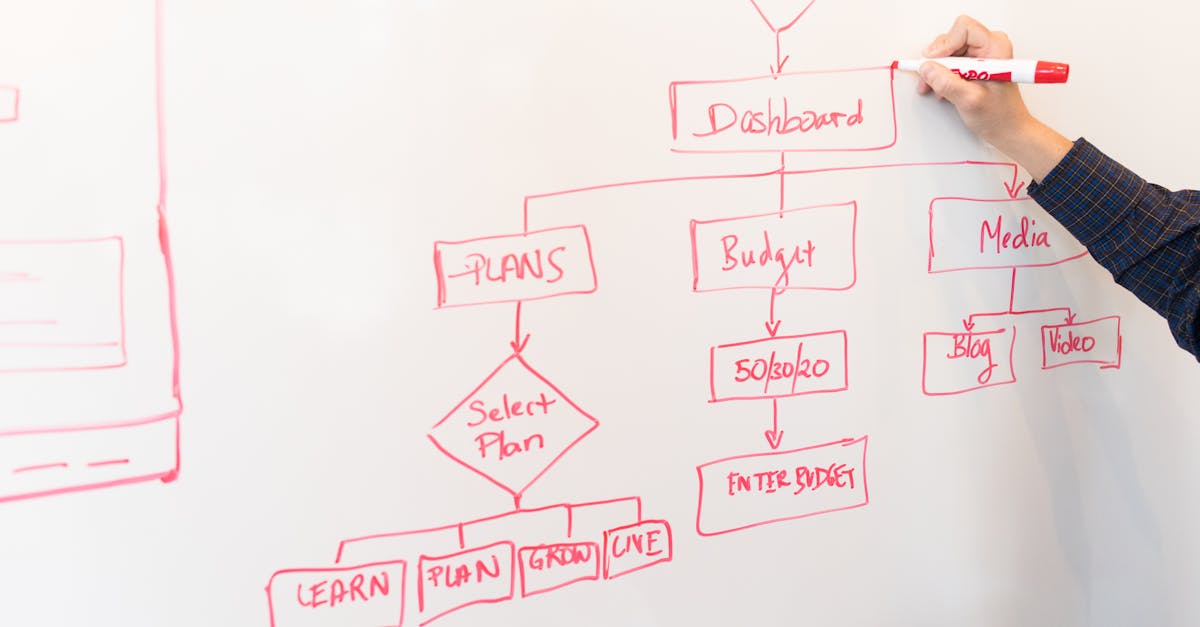
During the first 72 hours of a NetSuite implementation recovery, decisive actions and fact-based triage set the stage for whether your project regains forward momentum or descends further into crisis. In this critical window, your focus should shift from activity to clarity: pausing nonessential changes, mapping the true sources of failure, and assembling the right recovery governance. These steps form the foundation of any successful rescue—especially for CFOs overseeing manufacturing, distribution, or construction finance where ERP failures threaten cash flow, inventory control, and compliance.
At SuiteSolvers, we regularly help organizations stabilize at-risk NetSuite projects within those crucial first three days. Our approach draws on decades of deep experience in finance, technology, and ERP turnaround—maximizing operational control before customizations or redesign begin. This guide details a time-driven recovery framework and the core questions leadership should ask immediately to achieve a controlled reset.
What Does NetSuite Implementation Recovery Mean?
NetSuite implementation recovery refers to the structured process of diagnosing and stabilizing a failing or stalled NetSuite project with the goal of restoring operational continuity and reestablishing trust in core business processes. This initial response period focuses on triaging the most critical issues—such as data mismatches, integration failures, or approval bottlenecks—prior to pursuing enhancement work or scope expansion. Organizations like SuiteSolvers specialize in rapid, coordinated recovery protocols that address both technical and governance breakdowns.

First 72 Hours: A Step-by-Step Implementation Recovery Framework
Hour 0-12: Immediate Triage and Stopping the Bleed
- Freeze noncritical changes. Pause all ongoing configuration and custom development that does not address go-live blocking issues.
- Identify active blockers. Aggressively surface items that halt day-to-day business operations, such as failed integrations, broken workflows, or data mapping errors.
- Appoint a single decision owner for each major issue. Avoid decision by committee in this early phase to prevent project gridlock.
- Segregate urgent from non-urgent issues. Order entry failures take precedence over missing dashboard widgets or minor UI requests.
This triage ensures that the team is not adding complexity while isolating sources of systemic risk.
Hour 12-24: Establish the Factual Baseline
- Document what business processes are functional and which are fundamentally broken or incomplete.
- Compare original project scope (what was sold) to delivered features (what exists live).
- Audit integration maps, test coverage, and financial controls for gaps.
- Assess inventory, open balances, and key finance objects for accuracy and readiness.
At SuiteSolvers, we consistently find that missing baseline clarity is one of the most common causes of drawn-out recoveries. By documenting the contrasts between intended outcomes and real system performance, your leadership gains a solid foundation for targeted remediation.
Hour 24-36: Confirm Business Priorities
- Define non-negotiables for go-live: order entry, inventory transactions, financial posting, core project costing (for construction), and reporting needed for close.
- Solicit stakeholder agreement on which outcomes are critical, which are nice-to-have, and which can be safely deferred.
- Resist the urge to fix everything in parallel—focus on what has clear operational or financial impact.
Many failed NetSuite projects stagnate because success is defined differently by different leaders. The recovery effort requires shared, objective business priorities—SuiteSolvers always insists on documented, business-driven outcome alignment at this stage.

Hour 36-48: Map the Critical Path and Gaps
- Diagram true end-to-end process flows relevant to your industry—for example, order-to-cash or project-to-invoice.
- Visualize integration dependencies and document where data transfer or sync is failing.
- Build ownership and responsibility matrices for issue resolution, change approval, and testing sign-off.
- Address decision gaps or resourcing conflicts that may be undermining prior recovery attempts.
SuiteSolvers has observed in client rescues that over-customization or misaligned workflows often lurk behind headline issues. Identifying them early enables actionable recovery planning.
Hour 48-60: Reset Governance and Communication
- Implement a daily recovery standup with fixed, concise agendas and clear escalation pathways.
- Launch an issue log with severity, assigned owner, and due dates for every active blocker.
- Establish a decision register to prevent circular debates or delayed action.
- Reinforce change control, limiting new scope entry without recovery lead approval.
- Conduct an executive sponsor touchpoint to anchor financial and operational discipline.
Recovery projects that skip this reset commonly repeat the same mistakes.
Hour 60-72: Publish the Recovery Plan
- Summarize the current, factual state of the implementation for stakeholders.
- Rank top blockers by business and financial risk—not internal politics or sunk costs.
- Outline practical, staged corrective actions for the next 7, 14, and 30 days.
- Define clear ownership using a RACI matrix (Responsible, Accountable, Consulted, Informed).
- Make a transparent recommendation: Go-live readiness, required delays, or a controlled phased approach.
SuiteSolvers specializes in grounding these plans in operational reality, rebuilding credibility and de-risking every next step.
What CFOs and Sponsors Should Ask Immediately
- What is the most urgent business risk posed by the implementation issues right now?
- Which broken processes are directly impacting cash flow, compliance, or customer experience?
- What can be stabilized quickly without full system redesign?
- Which datasets—such as inventory, receivables, or fixed assets—must be remediated before progress can occur?
- Who has final authority on issues where technical and operational perspectives clash?
These questions, refined through hundreds of implementation assessments by SuiteSolvers, keep recovery teams focused on outcomes.
Best Practices and Common Pitfalls
Best Practices
- Freeze nonessential customization to prevent new risks during triage
- Emphasize evidence over anecdote—build all plans from baseline reality
- Anchor every fix to business impact rather than technical wishlist
- Define and communicate success at each stage in clear, measurable terms
- Maintain rapid, disciplined cadence in governance standups and reporting
Common Mistakes to Avoid
- Jumping to customization before root causes are fully mapped
- Treating symptoms instead of underlying governance or data problems
- Reopening resolved decisions, causing project churn
- Taking on too many high-complexity issues in parallel
- Attempting to restart go-live without confirming solution fit and ownership structure
You can find expanded guidance on post-assessment recovery actions in our dedicated blog: What to Do After a NetSuite Assessment Finds Too Many Problems.
What a Successful 72-Hour Recovery Looks Like
- A ranked, prioritized list of go-live blockers and serious improvement opportunities
- A documented baseline showing what's complete, incomplete, or off-course
- Named owners for each major issue and decision area
- A transparent call on whether the original project plan is still salvageable
- A short-term action roadmap matched to operational impact
With these outputs in hand, organizations can confidently transition from triage to structured remediation, testing, and longer-term optimization. Many recoveries led by SuiteSolvers demonstrate that disciplined focus in this critical window prevents months of waste and confusion downstream.

How SuiteSolvers Leads NetSuite Implementation Recovery
SuiteSolvers stands out thanks to unmatched experience spanning Big Four audit, large-scale NetSuite and Acumatica implementations, CFO turnarounds, and private equity due diligence. Our team bridges the gap between C-suite priorities and ERP platform realities, driving not just technical stabilization but business process and finance control improvement. As testimonials illustrate, our rapid-response consulting model consistently delivers value for manufacturing, distribution, and construction leaders when vendor or generic project teams fall short.
Instead of a one-size-fits-all approach, we engage as trusted independent advisors and hands-on recovery partners. Our mission is aligned with client outcomes: clarifying risks, remediating root issues, and empowering your internal teams to sustain system health beyond the crisis response period.
FAQ: NetSuite Implementation Recovery
What are the most common warning signs a NetSuite implementation needs recovery?
Common signs include ongoing integration failures, month-end close delays, inaccurate inventory or financial data, excessive manual workarounds, unresolved user access problems, and a lack of clear ownership or project direction. For a deeper dive see our blog on NetSuite Re-Implementation Warning Signs CFOs Should Not Ignore.
Is it better to "rescue" or "reimplement" if an implementation fails?
The answer depends on the level and spread of foundational design errors, data quality problems, and governance breakdowns. SuiteSolvers helps organizations decide whether a targeted rescue or a phased reimplementation will be the most cost-effective and sustainable option. We share a framework for this analysis in Should You Rescue or Restart a NetSuite Implementation?.
How quickly can a new partner like SuiteSolvers stabilize a failing project?
Many businesses find that engaging a recovery-focused consultant results in clarity and stabilization within the first 72 hours. This sets up a more manageable remediation plan that usually delivers significant improvements within a few weeks, though large or highly customized projects may require staged rollout or interim controls.
What should sponsors demand from a recovery partner?
Sponsors should expect domain expertise, clear communication, rapid risk diagnosis, disciplined triage, and transparency throughout the process. Look for a partner with a proven record of accountability, cross-functional business understanding, and willingness to challenge prior missteps for the good of the business.
Does SuiteSolvers only handle rescues, or do you offer full-scale implementations and ongoing support?
We provide the full spectrum: ERP selection, implementation, optimization, rescue services, and ongoing operational support for both NetSuite and Acumatica. This breadth ensures we design recovery plans that stick—and help clients transition seamlessly from crisis to growth.
Conclusion
The first 72 hours are critical for putting a NetSuite implementation recovery on a controlled, evidence-driven course. Triage, factual baselining, governance reset, and business outcome alignment must precede any new customization if you want to regain trust and operational control. For CFOs in manufacturing, distribution, and construction, this window often determines months of downstream success or repeated setbacks. If you encounter blockers and uncertainty in your NetSuite journey, consider engaging SuiteSolvers—the expert partner trusted to turn confusion into clarity. To start a diagnostic conversation or discuss your recovery needs, reach out to us today.