5 Ways AI-Powered ERP Transforms Inventory Management for Distributors
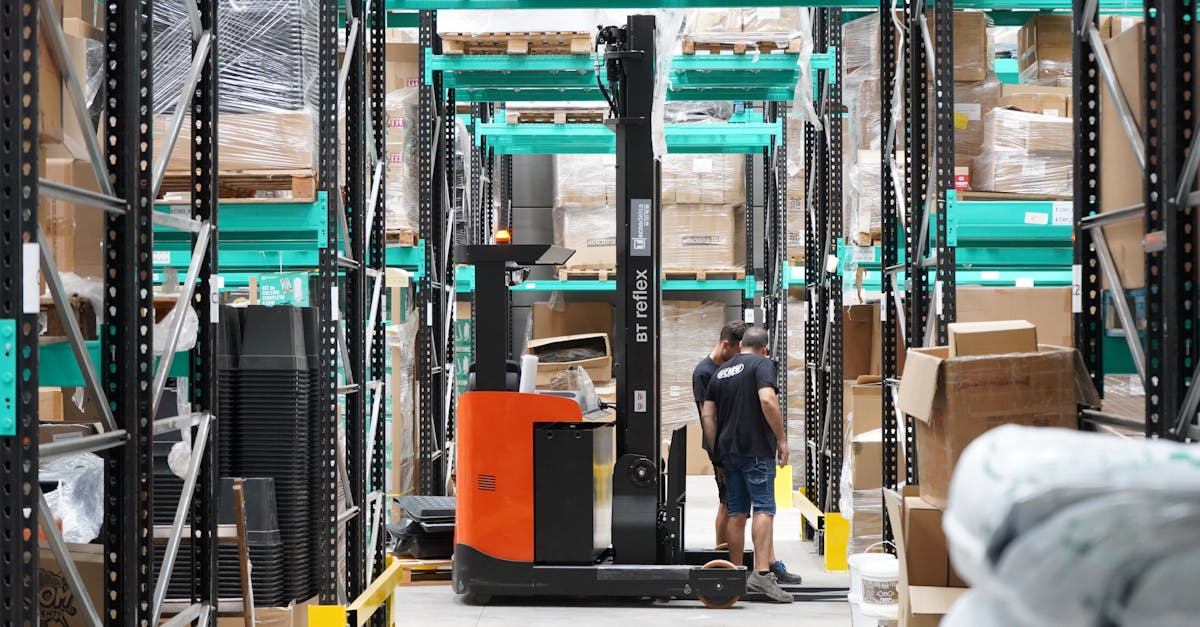
Inventory management for distributors has always been a high-stakes balancing act. Too much inventory ties up cash and increases carrying costs, while too little jeopardizes customer satisfaction and sales. Today, AI-powered ERP systems are redefining what’s possible—especially for manufacturers and distributors looking to fine-tune their operations amid supply chain curveballs. At SuiteSolvers, we’ve seen first-hand how distributors can achieve real transformation by embracing AI-driven ERP strategies. Let’s go deep into five powerful ways AI-powered ERP technology is changing inventory management for distributors, with practical insights drawn from our experience supporting companies in manufacturing, wholesale, and construction supply.

1. Predictive Demand Forecasting—From Guesswork to Data-Driven Confidence
Traditional inventory planning too often relies on last year’s numbers or gut feel. AI-powered ERP systems like NetSuite and Acumatica allow distributors to leverage machine learning to forecast demand with far greater precision. Here’s what changes in practice:
- Multi-source analysis: AI can process historical sales, seasonality, promotions, supplier lead times, and even external market signals—like raw material cost changes or weather data—all at once.
- Automated safety stock adjustments: Instead of static safety stock rules, AI models can recalculate optimal reorder points in real time as supply and demand fluctuate, reducing the chance of stockouts or overstock.
- Better decisions on slow-movers vs. high-movers: The system flags patterns you’d easily miss—think of a product that sells steadily until an unnoticed trend shift shrinks demand. AI helps you anticipate change, not just react to it.
For distributors already struggling with inventory write-offs or missed sales, predictive algorithms can add a layer of confidence that manual spreadsheets can never match.
2. Real-Time Optimization—Orchestrating Inventory Across Locations and Channels
Distributors often have inventory in multiple warehouses, on consignment, or even in transit. Mismatched data across these silos means money left on the table. AI-powered ERP unifies all inventory views and uses real-time analytics to optimize stock distribution, so you’re always in sync.
- Dynamic transfer suggestions: If one warehouse has excess stock and another is running low, AI can recommend—and sometimes automate—the optimal transfer. This reduces emergency shipping costs and keeps local order fill rates high.
- Proactive exception alerts: Rather than waiting for month-end reports, users get alerted immediately when inventory dips below ideal levels, or when a demand spike threatens supply.
- Channel inventory alignment: For distributors selling B2B, B2C, and across several eCommerce marketplaces, AI helps prevent overselling (and customer frustration) by always reflecting the true available-to-promise quantity everywhere in real time.

3. Autonomous Replenishment—Transforming Reordering from Manual to Smart
Manual purchase orders and reorder routines waste valuable staff time and make it easy to introduce costly errors. One of the most tangible payoffs of AI-powered ERP is automating these repetitive tasks with intelligence:
- Auto-generated purchase orders: When stock on a key item falls below projected need, the system can create a PO instantly—using vendor lead times, minimum order quantities, and past performance to select the best supplier every time.
- Consolidated orders: AI spots opportunities to consolidate smaller orders from different locations into fewer shipments, cutting freight costs and improving supplier relationships.
- Manual override, always in your control: Even with high automation, users can review, approve, or adjust before orders are finalized—combining the efficiency of AI with the judgement and experience of your team.
This isn’t about eliminating jobs; it’s about freeing experienced staff to focus on exceptions and value-add activities instead of chasing down routine reorders.
4. Margin Protection—Guarding Profit in a Volatile World
Margins are always under attack—from unexpected commodity price jumps to shifting tariffs. AI-powered ERP systems offer tools that let distributors respond quickly, armed with data-driven recommendations.
- Dynamic pricing suggestions: AI can flag when margin erodes due to supplier increases or spot market shifts, suggesting a strategic price adjustment across customer segments or regions.
- Intelligent procurement: The ERP reviews historical purchase performance and market intelligence to recommend substitution suppliers or negotiate contract terms, preventing cost overruns.
- Anomaly detection to prevent fraud and shrinkage: AI continuously monitors transactions for patterns that may indicate procurement fraud, duplicate billing, or inventory theft — issues notoriously difficult to spot manually.
The result: better pricing decisions, fewer mistakes, and ultimately stronger and more predictable margins—especially vital in distribution, where the difference a few points makes is often the difference between loss and profitability.

5. Unified Visibility—Connecting Suppliers, Warehouses, and Customers in Real Time
Inventory management doesn’t succeed in a vacuum. Distributors must synchronize data between suppliers, warehouses, and customers—ideally all through a single, unified hub.
- Supplier performance dashboards: AI can aggregate delivery, quality, and responsiveness data, so you quickly see which suppliers are helping (or hurting) your fulfillment goals.
- Cross-functional collaboration: Sales, purchasing, and warehouse teams can all access the same up-to-the-minute information, breaking down communication silos.
- Customer insights integrated with inventory: Who are your highest velocity accounts? Which SKUs are rising stars? When your ERP connects purchase history with inventory and sales, you spot trends that purely transactional systems easily miss.
For us, this is where the rubber meets the road—the ability to provide customers with a consistent promise of availability and a transparent, reliable delivery experience, even when your supply chain is being stress-tested.

Getting Started—A Roadmap for the Forward-Thinking Distributor
If you’re contemplating an AI-powered ERP transformation, a piecemeal approach rarely works. Here’s how to build a roadmap based on our real-world experience with distributors who have made the leap:
- Run an objective inventory audit: Identify inaccuracies, blind spots, and bottlenecks. This often surfaces backlog issues that AI can help solve quickly.
- Map your replenishment workflow: Compare current lag times, manual steps, and pain points to what’s possible with automation.
- Set measurement KPIs that reflect your goals: These could be days on hand, fulfillment rate, inventory turns, or margin by SKU. The right metrics let you prove ROI.
- Pilot in high-impact areas first: For example, launch AI-driven reorder automation or predictive forecasting in a single product category or location. Prove wins before scaling up.
Our experience? The fastest results come when you make inventory a team-wide priority—connecting finance, sales, warehouse, and purchasing with one actionable version of the truth. And when you have a consulting partner that understands both your business and the technology, the speed to value multiplies.
Transform Inventory Management with SuiteSolvers
If you’re a CFO or operations lead in a manufacturing or distribution business, we understand your challenges are unique and your competitive edge depends on more than just technology. At SuiteSolvers, our consultants combine decades of real-world experience with deep expertise in Acumatica and NetSuite solutions—bridging the gap between your C-suite and the real-world outcomes AI-powered ERP can deliver. Let’s discuss how we can help streamline your inventory management, empower your team, and drive profitable growth. Contact us for a brainstorming session tailored to your business.